
CEL-FI QUATRA and G41 systems, designed and installed
Proeye is a Nextivity Elite System Integrator and Authorized Partner, certified for CEL-FI design, installation and maintenance. We choose the right CEL-FI system for the building, design it from measurements, install it and manage it remotely after handover.
Which CEL-FI system suits the building
Most of our coverage projects use one of two CEL-FI approaches. The right one depends on floor area, layout, the carriers needed and how the building is used. The survey decides; this is the general picture.
| Feature | GO G41 repeater hubs | QUATRA active DAS |
|---|---|---|
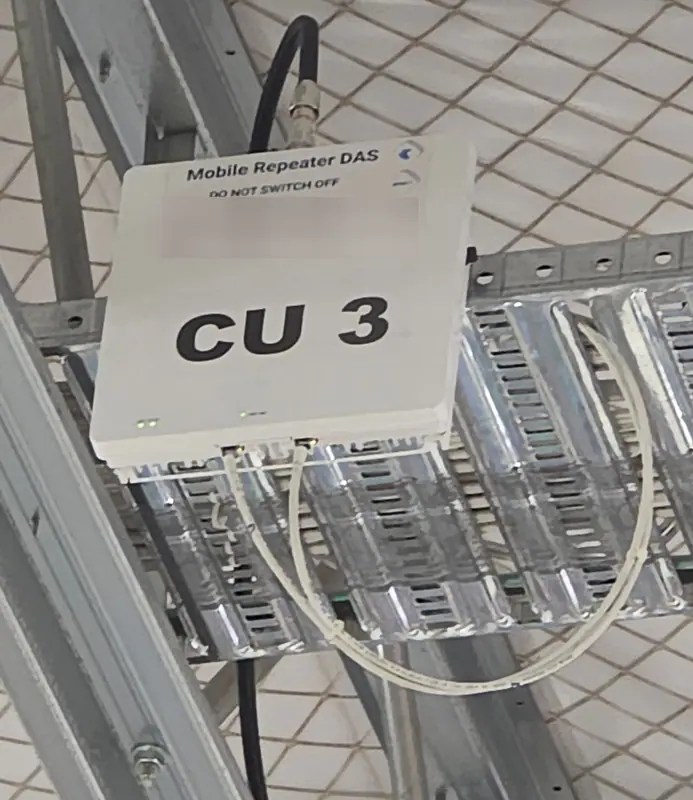
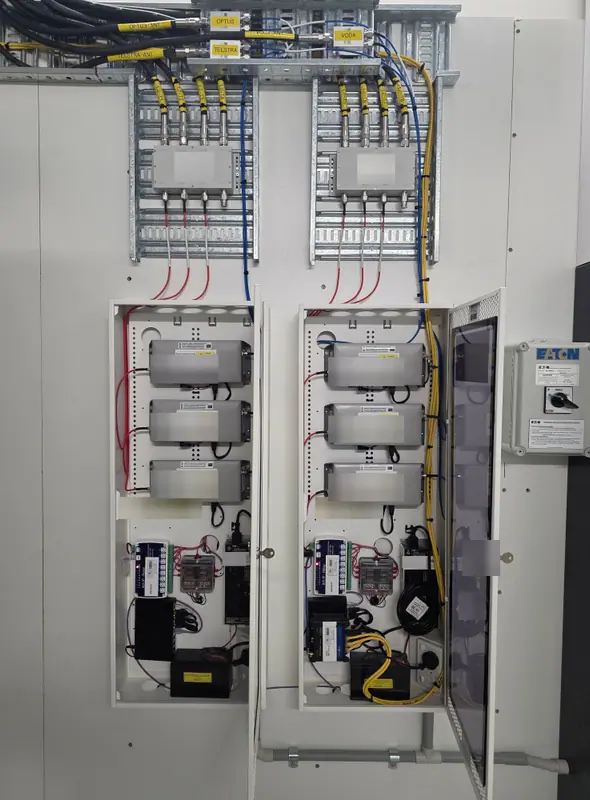
| How it works | One G41 per carrier in a Proeye hub cabinet, usually one hub per floor, feeding indoor antennas over coaxial cable | A network unit connects over category cable to coverage units spread through the building |
| Typical buildings | Multi-level buildings with moderate floor plates, aged care, offices, smaller retail | Large floors: warehouses, large-format retail, distribution centres, hospitals |
| Carriers | Each carrier has its own G41 module | Multiple carriers through one system |
| Management | Managed hubs include modem connectivity and remote power cycling | Remote management through Nextivity's WAVE portal |
| Products | GO G41 specifications, GO G51 (5G) specifications, build a hub | QUATRA 4000e, QUATRA EVO |
Very large or carrier-funded venues may need a carrier DAS designed under industry DAS guidelines instead. We will tell you if that is the case.
Adding 5G: the CEL-FI GO G51
The GO G51 is Nextivity's self-configuring 5G NR repeater, with up to 100 MHz of 5G bandwidth for high-bandwidth applications. A G51 module can be assembled into the same Proeye repeater hub as G41 modules, so a building can add 5G alongside its 4G coverage.
Know its limits
- Time division duplexing. The G51 uses time division duplexing (TDD) for band n78 (3.5 GHz): phones and the network take turns on the same frequency, rather than sending and receiving on separate frequencies as most 4G bands do.
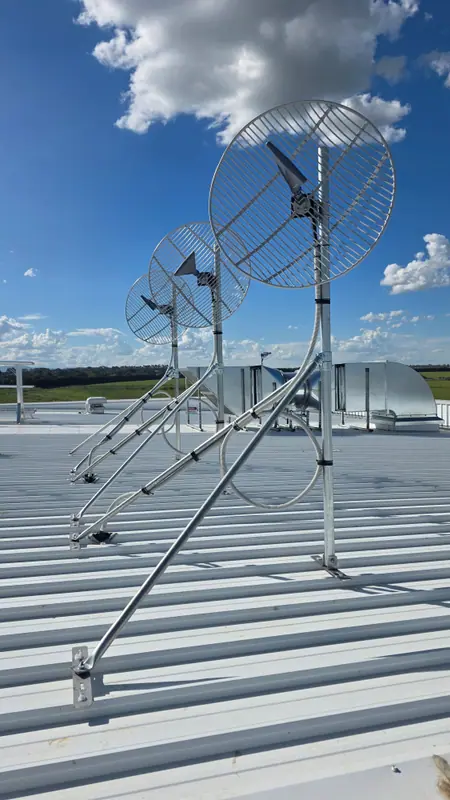
- A different donor antenna requirement. TDD on band n78 substantially changes the rooftop donor antenna requirement compared with a G41 system, so the 5G donor design is planned separately at survey.
- Carrier listing. On the ACMA exempt repeater list, the GO G51 appears for Telstra only (checked 11 November 2026).
See how each system carries the signal
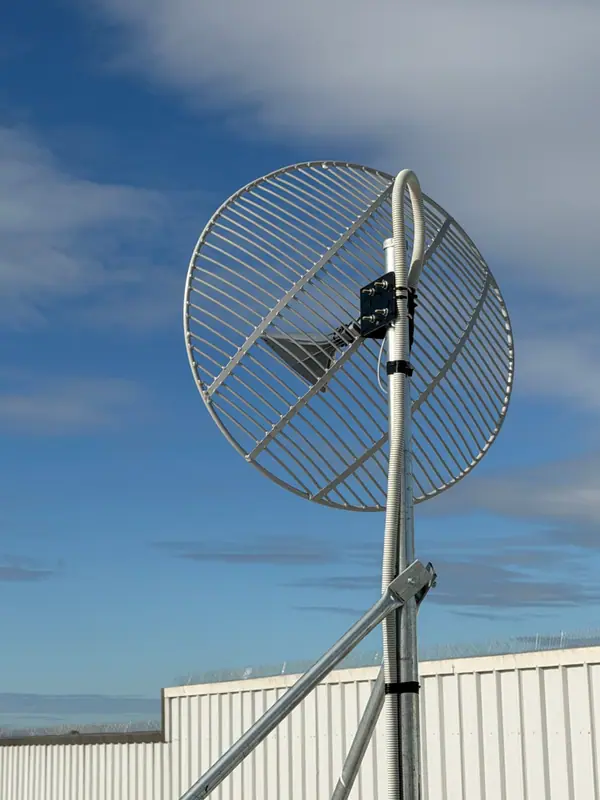
Our mobile coverage page has interactive drawings of both systems, from the roof donor antennas to the coverage antennas on each floor.
Carrier permissions, model by model
Proeye delivers projects involving Telstra, Optus and Vodafone. That does not mean every repeater model is authorised for every network, so we check each one.
In Australia, a repeater may only be used with the carrier's written permission. The ACMA's list of exempt repeaters covers supply, and it lists CEL-FI models carrier by carrier. On 11 November 2026 it showed:
| Model | Carriers listed |
|---|---|
| CEL-FI GO G41 | Optus, Telstra |
| CEL-FI GO G51 | Telstra |
| CEL-FI QUATRA 4000e | Optus |
| CEL-FI QUATRA EVO | Optus |
Source: ACMA, list of exempt repeaters (opens in a new tab). The list changes; we check it for every project. A listing is not permission to use a repeater: that still comes from the carrier.
Every repeater we install is registered, and each carrier's authorisation for the site is obtained as part of that registration process. We confirm each carrier's requirements before we specify equipment, and we do not install a configuration a carrier has not permitted. Read how repeaters are regulated in Australia and New Zealand.
Measured, not assumed
In a Victorian warehouse store upgraded to QUATRA 4000e, all 27 test areas (nine for each carrier) measured better than our −95 dBm coverage target after commissioning. The survey report's own acceptance criterion was −105 dBm.
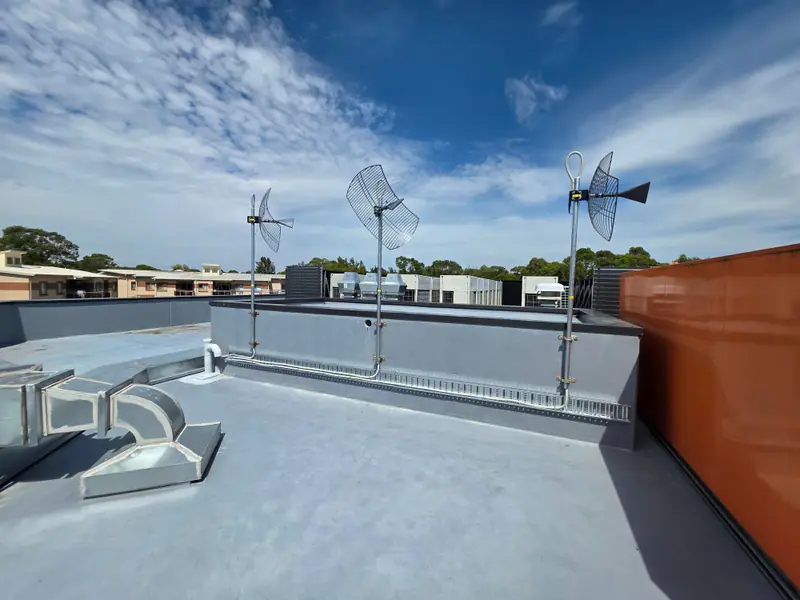
How we deliver a CEL-FI project
One team carries the project from the first look to ongoing support.
Desktop analysis
A free first view from your site details and plans.
Survey and design
Onsite measurements per carrier, a system design and predicted coverage.
Carrier requirements
The models and permissions confirmed for every carrier on the project.
Installation and commissioning
Hubs or QUATRA units installed, antennas aimed and the system commissioned.
As-built survey and support
A signal survey after commissioning, then remote management and maintenance.
Nextivity credentials
Partner status and certifications issued to Proeye by Nextivity, the maker of CEL-FI.
Nextivity partner status

Nextivity certifications


Industry association
CEL-FI questions
The questions facility managers and project teams ask us most.
Is a CEL-FI repeater the same as a mobile booster?
No. A booster is a device sold to amplify one phone's signal, and it is illegal to own, use or supply one in Australia. CEL-FI products are cellular mobile repeaters, which serve many phones and may be used with the carrier's written permission.
Can one system cover Telstra, Optus and Vodafone?
A QUATRA system can carry several carriers, and a G41 hub holds one module per carrier. Which models may be used on which network depends on each carrier's requirements, which we confirm for every site.
Do you install CEL-FI in New Zealand?
Yes, we deliver projects in New Zealand. There, the mobile network operators must approve repeaters used on their networks. We work with the manufacturer and the operators, and each repeater is authorised as part of its registration process.
What happens after handover?
Managed hubs and QUATRA systems can be monitored remotely, so firmware updates and network changes can be handled without a site visit. Maintenance plans and on-site break-fix support are available.
Planning a CEL-FI system?
Start with a free initial desktop analysis. We will tell you which system suits the building and what the survey needs to confirm.